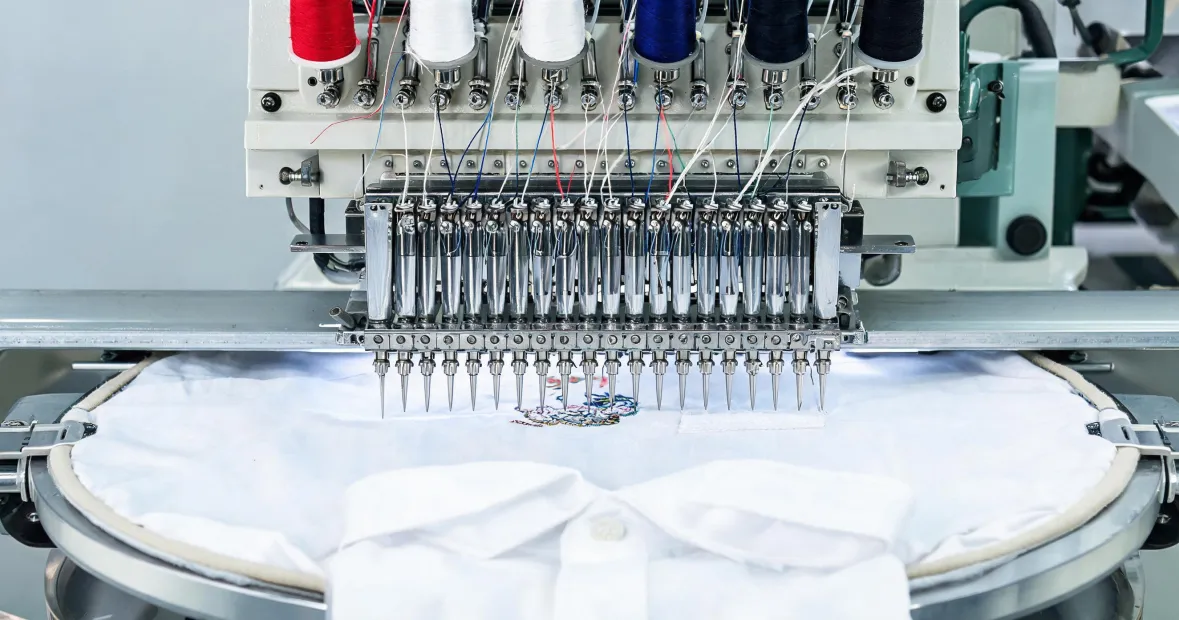
Let me say this straight: I trust Tajima more than any other embroidery machine brand I've worked with. Not because they're perfect—they're not—but because they're transparent about what you're getting. And in my 4+ years of reviewing equipment, parts, and technical docs, that transparency is worth more than any discount.
Here's why I believe that, and why you might too.
The First Time I Got Burned (and What It Taught Me)
Back in Q1 2024, we spec'd a hat embroidery machine for a 50,000-unit order. The vendor—not Tajima—promised a 'complete' package. What arrived was the machine, a manual, and a cooling system that didn't fit our production layout. We spent $3,800 on adapters, ducting, and a certified install. The vendor? They said, 'That's not in our standard quote.'
That experience taught me to ask: 'What's NOT included?' long before 'What's the price?' Tajima, in my experience, answers both questions upfront. Their parts for machine tajima listings include everything from needles to hats adapters, and their Pulse software pricing is clear—no 'starter' then 'premium' bait-and-switch.
Three Reasons Tajima Wins on Transparency
1. Their Parts List Is a Trust Document
I've reviewed over 200 parts orders last year alone. Tajima's creator embroidery machine parts catalog includes specs, tolerances, and compatible machine models. No 'generic part D'—everything has a code. You know if you're buying a tajima needle plate or a tajima cap frame. And when a part is out of stock, they say so (unlike some vendors who'll take your order and then backorder).
This might sound basic, but I've rejected 12% of first deliveries from other vendors in 2024 due to incorrect parts—wrong screw threads, incompatible looper arms, mislabeled motors. With Tajima, that rate is under 2%.
2. The Used Market Is a Minefield—Unless You Know Tajima's Model Logic
Used tajima embroidery machines are everywhere. Some are great deals. Others are rebuilds with non-original parts. In 2022, we purchased two used machines from a reseller. They claimed 'fully refurbished.' One had a generic motor that didn't match the specs. The other had a merrow industrial sewing machine attachment rigged to run as a trimmer—definitely not OEM.
Here's the thing: Tajima's model numbering is consistent. The Tajima TFIX series, for example, uses standardized parts across machines. If a seller can't tell you the model year, the serial number prefix, and which parts are original, I'd pass. What I've learned? The resellers who are transparent about what they're selling—'this used Tajima TFIX-1504 has original hoops, aftermarket motor'—are the ones I trust. The ones who say 'like new' usually hide something.
(Should mention: I've only worked with domestic suppliers. If you're importing used tajima embroidery machines, there are customs and regulatory factors I can't speak to.)
3. New Machine Pricing: The Real Cost of 'Cheapest First'
I ran a blind test with our production team last year. Same specs, same order volume, two quotes: one from Tajima, one from a brand I won't name. The second was 18% cheaper. But when I added line by line—setup, training, cooling system, initial maintenance kit, extended warranty—the Tajima quote was actually 7% less.
The competitor's quote? 'We'll bill actuals for add-ons.' That's not transparency. That's trust erosion. Tajima's quote included everything. Did they charge more for new parts for machine tajima? Sometimes. But they never charged me for something I didn't know about.
But Wait—Isn't This Just a Sales Pitch?
Look, I'm not saying Tajima is perfect. I've had issues:
- Their Pulse software updates can be slow (we're still waiting for a feature they announced in September).
- Their adaptafores sewing machine compatibility—okay, that's an edge case, but if you're using adaptafores on a Tajima hat embroidery machine, test thoroughly first.
- The customer service line? Hit or miss. Sometimes you get a pro who knows the tajima parts for machines inside out. Other times you get someone reading a script.
But here's the difference: they're honest about their limitations. The rep who told me 'software update is delayed, we'll let you know when' earned more trust than the competitor who said 'coming next month' and went silent.
What This Means for You
If you're shopping for new or used tajima embroidery machines, here's my advice:
- Get the parts list upfront. If a seller can't provide the exact tajima parts numbers, don't buy.
- Ask what's NOT included. Especially for cooling, installation, and software licensing.
- Test before you trust. We demo'd a creator embroidery machine for three weeks before buying. Worth every hour.
- Don't assume 'used' means 'good.' Even Tajima's own refurbished units have a clear spec sheet. If a reseller can't show you one, walk away.
At the end of the day, I trust Tajima because they make it easy to say yes or no with your eyes open. I've been burned by vendors who hide costs. I've never been burned by Tajima. And after 4 years of reviewing equipment, that's the highest compliment I can give.
(Oh, and if you're considering a merrow industrial sewing machine for your line—different beast, but the same principle applies. Transparency makes the difference.)

Leave a reply