Application audit
Review garment types, embroidery density, hoop style, sewing field, needle choice, thread behavior, and the exact jobs that cause rejects or slowdowns.
Industrial embroidery and sewing equipment only performs well when machine choice, operator habits, preventive maintenance, spare parts, digitized files, and daily production pressure are treated as one system.
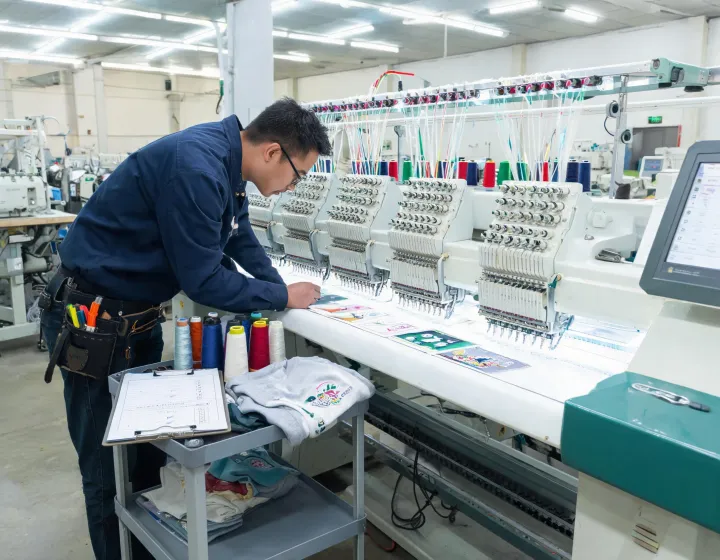
Tajima service conversations begin with the production environment, not a generic checklist. A cap shop fighting thread breaks, a uniform decorator adding second-shift operators, and an apparel line moving into mixed fabric panels each need a different support rhythm. The service plan connects those operating details with machine setup, training, daily care, and escalation contacts so managers know what to do before a minor issue turns into a missed ship date.
Review garment types, embroidery density, hoop style, sewing field, needle choice, thread behavior, and the exact jobs that cause rejects or slowdowns.
Prepare floor space, power expectations, operator access, sample designs, parts kits, and acceptance checks before the first production run begins.
Teach loading routines, cap frame handling, color sequencing, thread path inspection, cleaning cadence, and safe stop-restart behavior in language teams can repeat.
Build practical daily, weekly, and monthly checks around needle bars, lubrication points, bobbin areas, frame movement, and common spare parts.
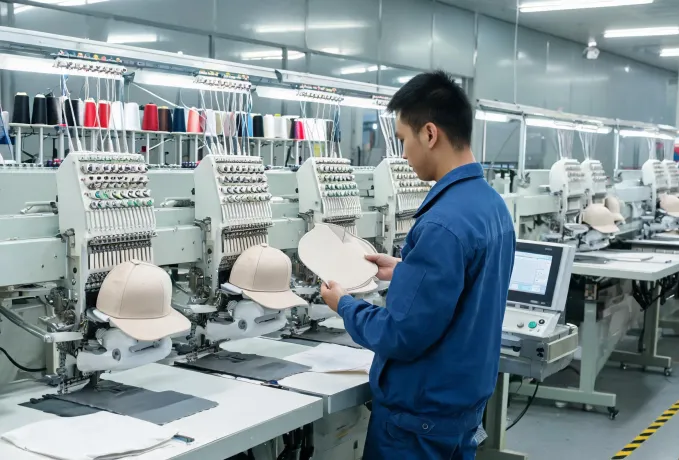
Curved panels make small errors visible. The service program looks at frame loading, needle plate condition, cap backing, design placement, thread path friction, and the operator sequence between one order and the next. The goal is to reduce trial stitching and keep placements consistent even when order colors change several times a day.
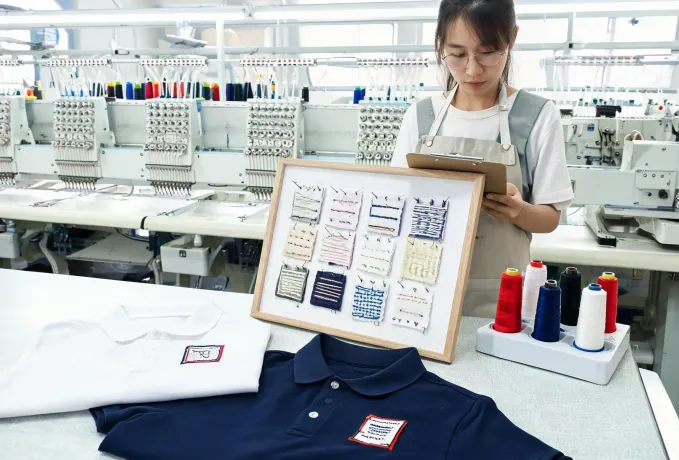
Uniform and garment shops often split work across operators and shifts. Tajima service planning documents what must be checked before a design is released to the machine, which needles and backings belong to common fabrics, and how supervisors confirm a clean restart after a thread break or thread color change.
Share the jobs that create the most rework, the machine categories you are considering, and the way your staff is organized. Tajima will outline a practical support path for installation, training, and maintenance.