Production clarity
Recommendations are tied to order mix, design size, fabric type, shift pattern, and the way operators actually move through the workcell.
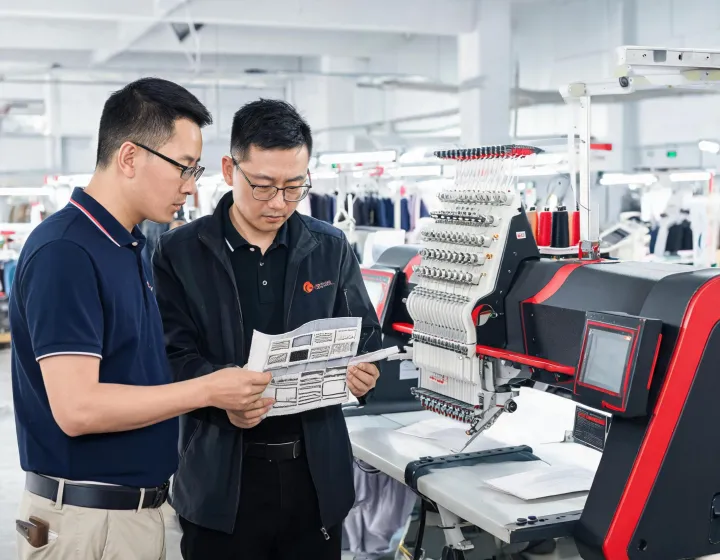
The best embroidery and sewing programs are built through patient work: listening to the order mix, checking fabric behavior, training operators, and following up after real production begins.
Tajima's customer work is shaped by a simple reality: a machine recommendation is only useful if it survives the first rush order, the first thread color change, the first cap frame setup, and the first new operator who has to repeat the process without the original trainer standing nearby. That is why every conversation starts with the work itself rather than a sales sheet.
For an apparel factory, the question may be how to keep left-chest embroidery consistent across many shirt sizes. For a promotional decorator, the question may be how to shift between caps, patches, polos, and bags without losing half a day to setup changes. For a textile producer, the question may be whether the stitch field, feed behavior, or hooping method will protect the fabric while still meeting output targets.
The Tajima approach is to make those questions visible early. The team discusses machine category, head count, floor layout, fixture needs, operator training, thread path discipline, maintenance cadence, and spare parts in one conversation. When those details are connected before the machine arrives, production managers have a clearer path to stable output and fewer surprises once orders are live.
Reliable production is not one heroic setup. It is a repeatable routine that survives real operators, real fabric, and real deadlines.
Recommendations are tied to order mix, design size, fabric type, shift pattern, and the way operators actually move through the workcell.
Training turns machine capability into daily practice, from thread path checks to safe frame handling and consistent restart behavior.
Maintenance notes, parts planning, and escalation routines help supervisors act early when stitch quality begins to drift.
Embroidery and sewing operations depend on more than equipment. A decorator must quote accurately, an operator must load fabric without distortion, a supervisor must catch tension changes before they become rejects, and a service contact must understand the urgency of a stopped production line. Tajima's role is to connect these people with machine knowledge that can be used on the floor.
That connection is especially important for growing teams. When a shop adds a second machine, expands into caps, or brings on new staff, old informal habits can break down. Written routines, practical training, and application-specific setup notes help growth feel controlled instead of chaotic.
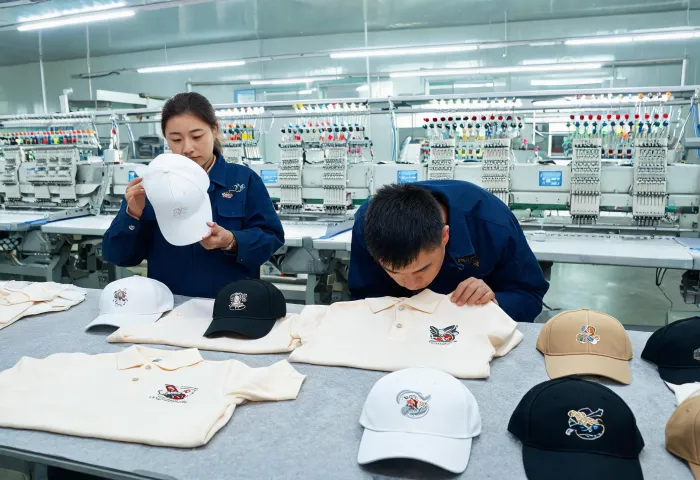
Tell us what you produce, where rejects happen, and how your team is staffed. Tajima will help organize the next step around equipment, training, and service readiness.