Different industries ask different things from embroidery and sewing equipment, so the right answer depends on fabric behavior, order volume, fixture changes, design density, and operator skill.
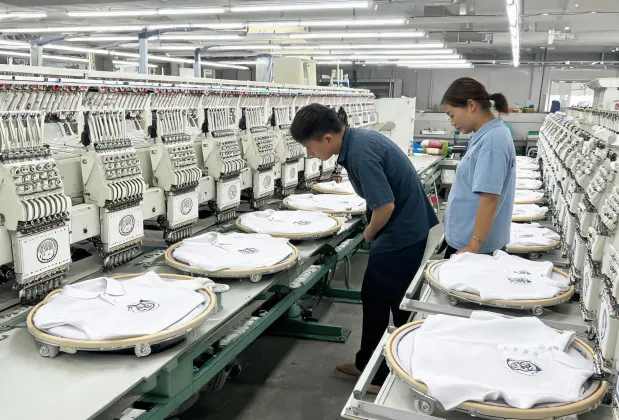
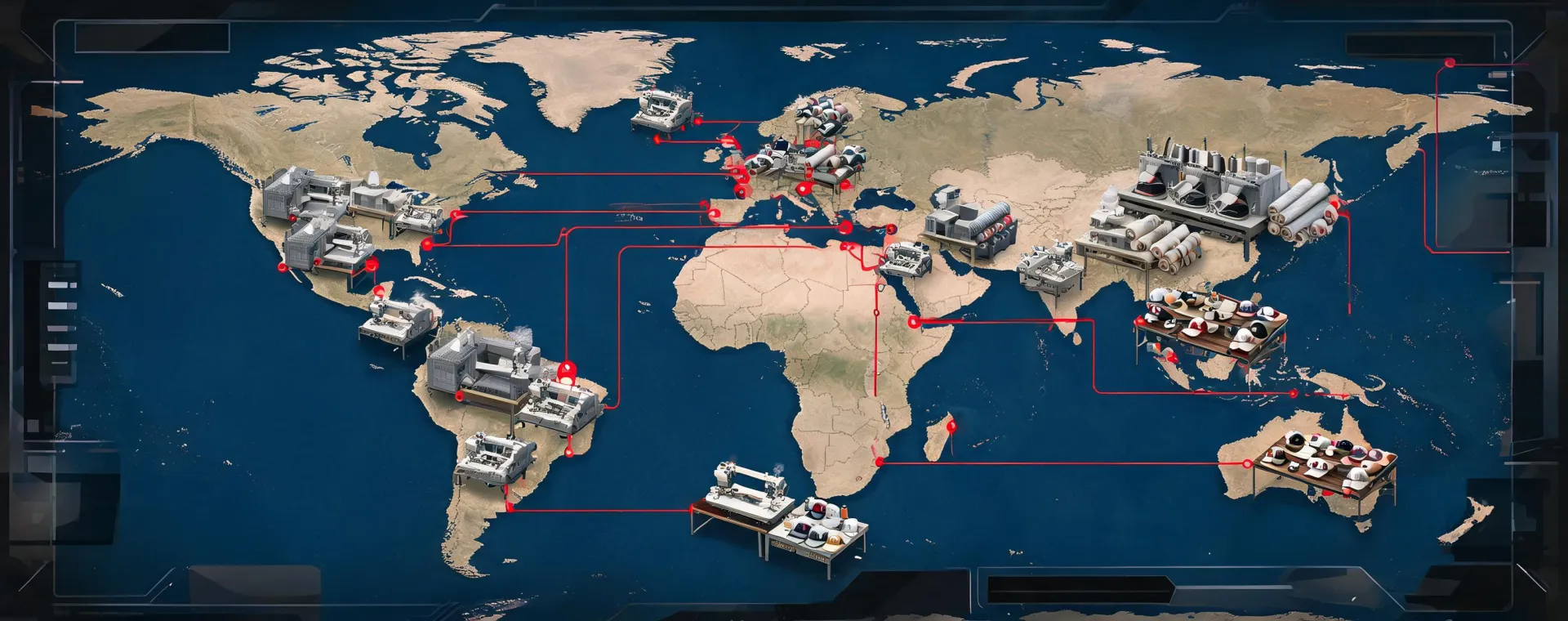
Tajima uses an application-first discussion because the same machine category can behave very differently across garments, caps, bags, leather panels, towels, and technical fabrics. The following scenarios help production teams describe what they need before comparing machine options.
Apparel shops need repeatable placement across sizes and fabrics. Tajima planning reviews hoop pressure, backing selection, thread color changes, left-chest design density, operator loading sequence, and how supervisors release a design to the line. The result is a machine conversation grounded in the garments that drive revenue instead of a generic capacity target.
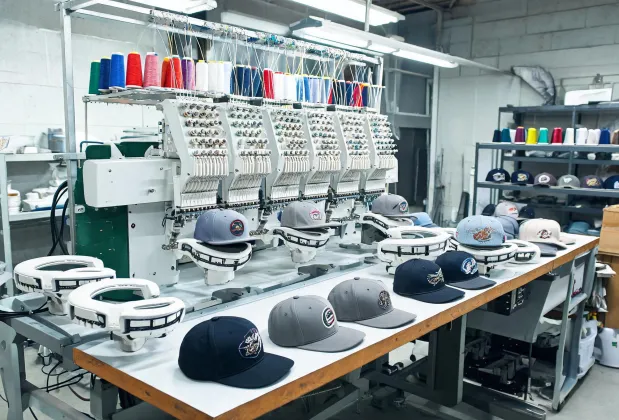
Headwear work brings curved surfaces, thicker seams, and fast order changes. Tajima support looks at cap frame handling, design placement limits, needle selection, thread path friction, and the practical time needed to switch from flat garments to cap orders without creating rework at the first stitch.
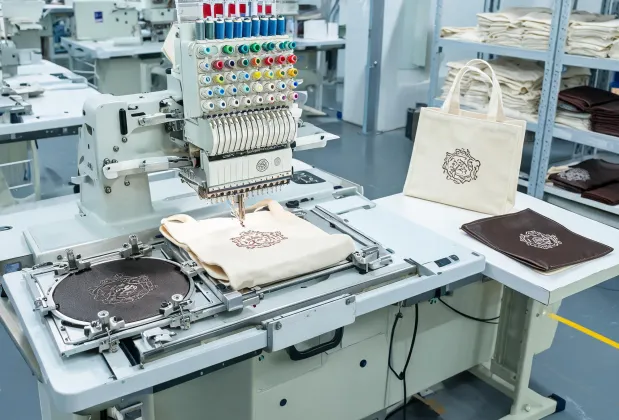
Bag and leather projects may require careful clearance, firm registration, and a slower review of needle and backing choices. Tajima planning helps teams check whether the fixture path, sewing field, and operator access will support the product before accepting larger programs.
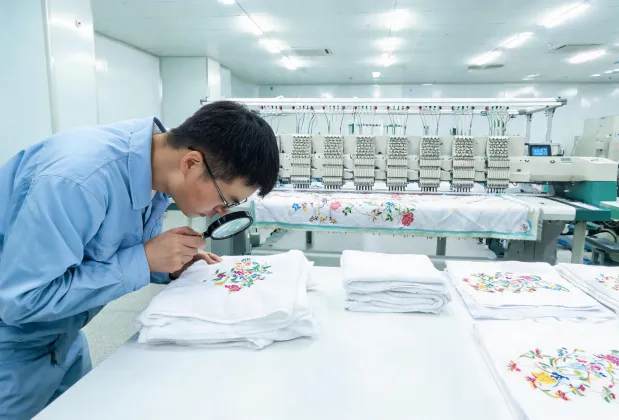
Towels, robes, blankets, and fabric panels introduce pile, stretch, and surface variation. Tajima guidance reviews stabilizer choices, design scale, frame pressure, and the quality checks that keep decoration clean across repeated runs and mixed material batches.
Share the products you decorate, the volume you expect, and the setup changes your operators manage. Tajima will help frame a machine and service discussion around those realities.