Sample standard approved
Confirm a stitch sample that shows accepted thread, backing, density, placement tolerance, and finishing expectations for the jobs that matter most.
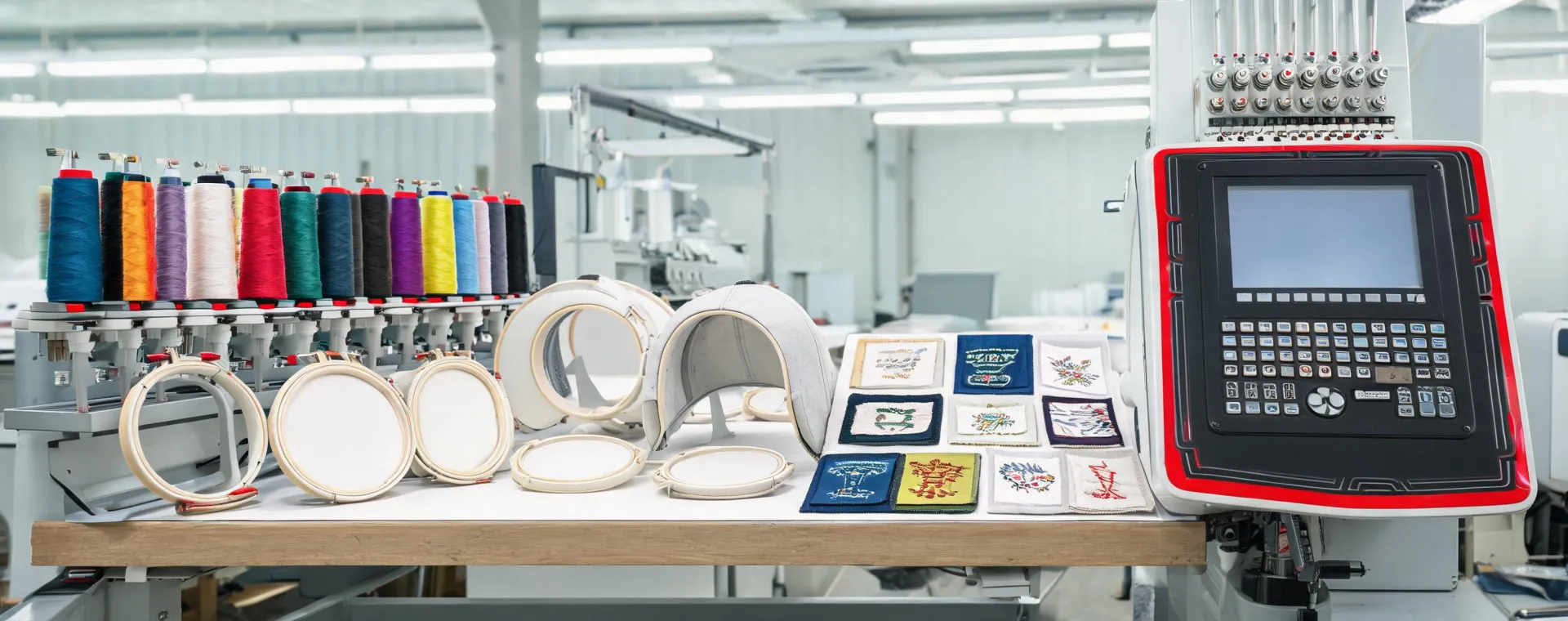
Before a machine becomes a reliable production asset, the team needs sample standards, fixture choices, operator routines, parts planning, and a follow-up path for the applications it will run most often.
Tajima uses the applications page as a working checklist for teams that need dependable embroidery and sewing output. A machine can be technically capable and still disappoint if the shop has not confirmed hoop clearance, fabric stability, design density, thread color workflow, operator training, and the spare parts that protect uptime. By reviewing those items together, managers can decide whether the next machine should solve sampling bottlenecks, cap production, apparel throughput, mixed soft goods, or service consistency.
This page is not a broad corporate promise. It is a practical readiness view for production teams that need to move from interest to installation with fewer unknowns.
Confirm a stitch sample that shows accepted thread, backing, density, placement tolerance, and finishing expectations for the jobs that matter most.
Write the loading, color change, restart, and daily cleaning steps in a form that new operators can follow without relying on memory alone.
Identify who checks routine care, which parts should be on hand, and how the team escalates tension, registration, or machine stop issues.
Order mix, fabric types, design sizes, fixture changes, and staffing assumptions are gathered before final configuration.
Reference designs and stitch samples are reviewed so the machine discussion reflects actual density, placement, and handling needs.
Training topics, shift coverage, cleaning steps, and restart habits are prepared around the people who will use the equipment.
Bring your stitch files, order mix, garment types, and growth targets into one practical conversation.
Request Application Review