-
What does a Tajima TMBR2-SC cost in 2025?
-
Is a Tajima embroidery machine 8 head worth it for a growing shop?
-
What hidden costs hit embroidery equipment budgets?
-
Where does an embroidery machine mini fit in a commercial shop?
-
How should I compare an FDZ embroidery machine with a Tajima?
-
Is a Lego vintage sewing machine useful for learning embroidery?
-
What pre-purchase checklist prevents expensive mistakes?
-
How do I verify training and support before signing?
I'm a procurement manager at a 48-person apparel decoration company. I've managed our embroidery equipment budget (about $220,000 annually) for seven years, negotiated with 30+ vendors, and tracked every invoice in our cost system. Here are the questions I actually ask before signing a purchase order.
What does a Tajima TMBR2-SC cost in 2025?
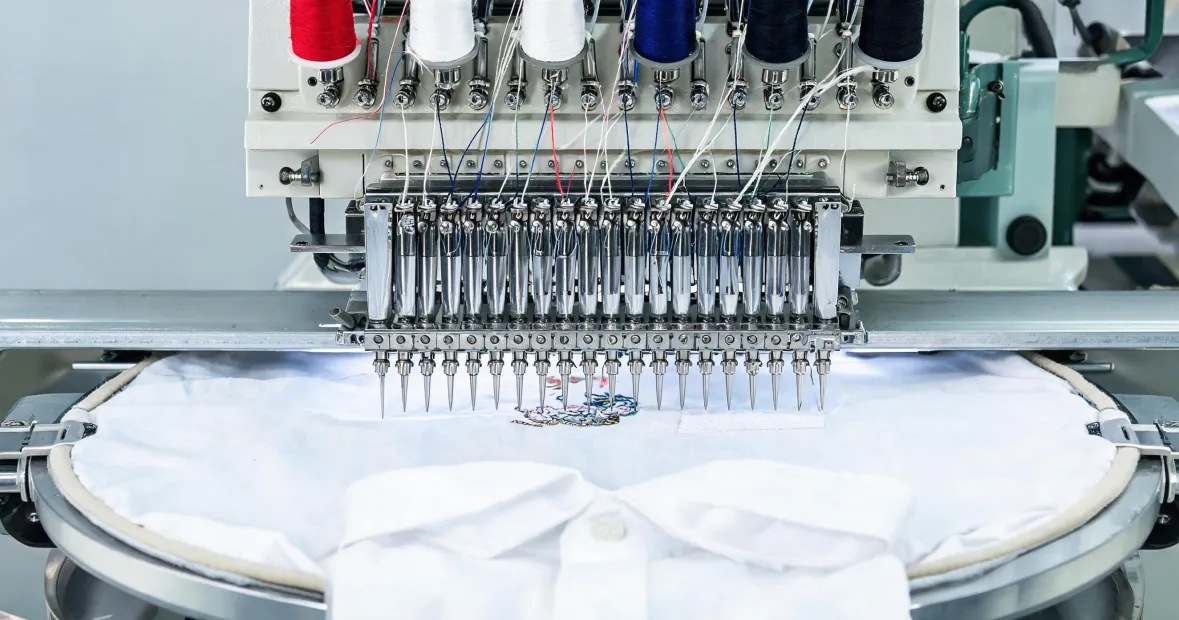
New Tajima TMBR2-SC units usually come in somewhere around $18,000 to $28,000, depending on configuration, freight, install, and training. That's not a quote—it's a budget range. According to Tajima's official product literature (check tajimaamerica.com for current specs), the TMBR2-SC is a single-head commercial machine, so don't compare it to a hobby unit. In Q2 2024, we got four quotes for a similar single-head setup. The machine prices were fairly close, but the landed costs differed by almost $4,000 because two dealers buried training and installation in 'optional' line items. If you're searching tajima tmbr2-sc price, ask for the delivered-and-trained number, not the base price (note to self: always use landed cost). Prices as of early 2025; verify current rates.
Is a Tajima embroidery machine 8 head worth it for a growing shop?
Probably, if you have consistent multi-piece orders. An 8-head Tajima embroidery machine is a production tool—it changes your throughput and your labor math. New 8-head units often land in the $45,000 to $90,000+ range depending on field size, trimmers, and accessories (dealer quotes, early 2025; verify current pricing). The mistake I see is buyers focusing on per-head price and missing the real number: labor hours per 1,000 stitches, changeover time, and how many jobs you can run unattended. If you're doing one-offs and samples, an 8-head might sit idle. If you're running team uniforms and corporate orders, it can pay for itself faster than a single-head. Run the math with your actual order mix, not a vendor's demo schedule.
What hidden costs hit embroidery equipment budgets?
Most buyers focus on the machine price and completely miss the support system around it. From the outside, the lowest quote looks like the best deal. The reality is that embroidery machines need thread, backing, needles, bobbins, software, training, maintenance, electrical work, and compressed air. In our tracking, 18% of 'budget overruns' came from installation and facility changes—not the machine itself. For example, a quote might include the machine but not the $2,800 electrical drop or the $1,200 air compressor upgrade. I built a TCO spreadsheet after getting burned twice. It includes freight, rigging, training days, spare parts kit, and the first year of service. If a vendor won't give you those numbers in writing, that's a red flag—not because they're dishonest, but because you can't compare quotes fairly.
Where does an embroidery machine mini fit in a commercial shop?
An embroidery machine mini is useful for samples, small batches, name drops, and patches. It isn't a replacement for a multi-head production machine. We use a mini for client approvals and urgent one-offs so we don't tie up an 8-head for a single logo. The trap is buying a mini because it's 'cheaper to start' and then discovering it can't handle hat frames, thick backing, or the file formats your clients send. If you're comparing a mini to a full commercial unit, ask about hoop sizes, max speed, needle count, and whether it supports the designs you actually sell. A mini can be a great second machine. As a first machine for a business with real deadlines, it might become the bottleneck.
How should I compare an FDZ embroidery machine with a Tajima?
I don't treat brand names as automatically better or worse. An FDZ embroidery machine often enters the conversation when budget is tight, and that's fair. The question is what you're buying beyond the hardware: dealer support, parts availability, training, software compatibility, and service response time. I've negotiated with vendors who had great machines but a two-week parts delay—that's a $5,000 problem during peak season. For Tajima, the strength is usually the mature support network and documented training. For FDZ, the value might be lower upfront cost. Compare total cost of ownership over three years, including downtime risk. If you can't get a local tech or a written service-level expectation, the cheaper machine might not stay cheaper.
Is a Lego vintage sewing machine useful for learning embroidery?
No. A Lego vintage sewing machine is a toy or collectible, not a commercial embroidery tool. It won't teach you digitizing, hooping, tension, or production workflow. If you want to learn the basics before buying a Tajima, start with a used single-head or an embroidery machine mini and take a structured training course. I've watched new operators waste weeks trying to learn on inadequate equipment, then blame the designs. The machine isn't the lesson—the process is. If someone is selling a Lego vintage sewing machine as a 'starter embroidery setup,' walk away. You'll spend more time fighting the tool than learning the craft.
What pre-purchase checklist prevents expensive mistakes?
I knew I should verify compressed-air requirements before signing one contract, but thought 'what are the odds?' The odds caught up when the install team needed a different regulator and a dedicated line. That was a $2,800 change order. Now we use a 12-point checklist: voltage, phase, air pressure, floor space, ceiling height, hoop sizes, thread compatibility, backing storage, software file formats, training days, warranty terms, and local service response. Five minutes of verification beats five days of correction. The checklist isn't about distrust. It's the cheapest insurance you can buy. If a dealer can't answer those 12 items, don't sign until they do. Ask for it in the quote, not in a follow-up email.
How do I verify training and support before signing?
Ask for the training agenda, trainer name, number of days, and what happens after the first week. 'Training included' can mean anything from a two-hour walkthrough to three days of hands-on production setup. According to Tajima's safety and training materials, operators should understand threading, tension, hooping, and emergency stops before running production. We now require a written support plan: phone hours, parts turnaround, local tech coverage, and escalation contact. In our last purchase, that request added about $1,500 to the quote—but it saved us from a vendor with no weekend support. You don't need to be paranoid. You do need to be specific. Support is part of the machine price, even when it's not on the invoice.

Leave a reply