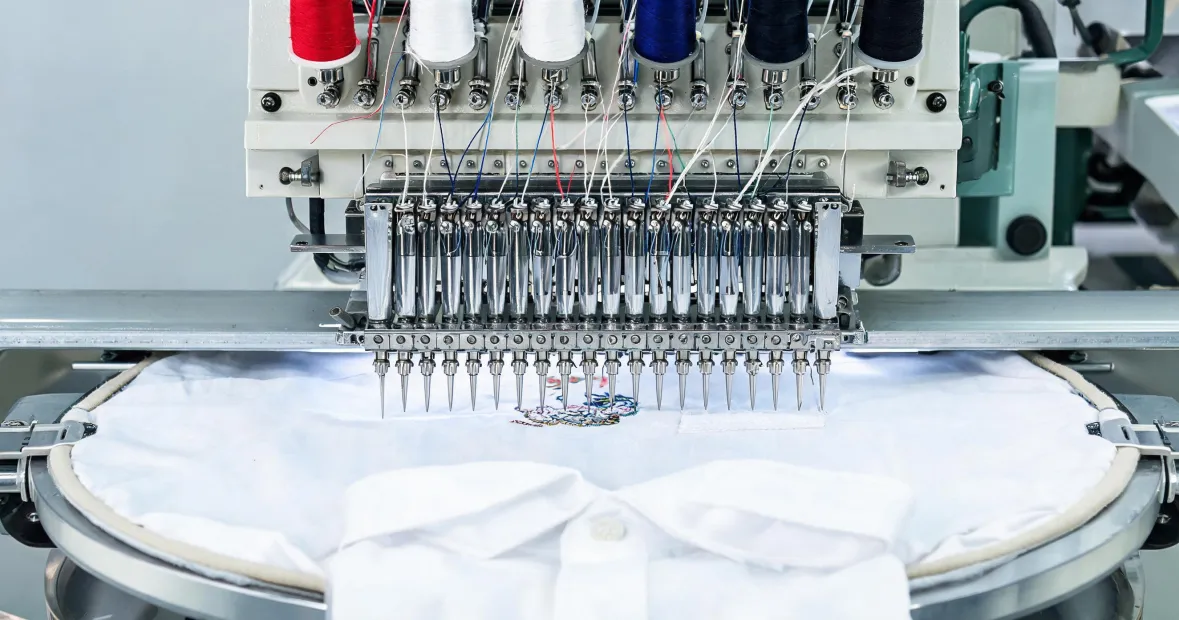
If you only watch one Tajima embroidery machine safety video, make it the one about the needle guard interlock. In 14 years of running embroidery production, I've seen more unplanned downtime from bypassed safety switches than from mechanical failures. The official Tajima video that shows why that interlock exists is the closest thing to a free insurance policy I know of. It takes about 15 minutes and can save you a $600 repair—or your operator's fingers.
Why This Is the One I'd Defend
I'm a production manager at a multi-head embroidery shop in the US. Last quarter alone, we processed 47 rush orders with a 95% on-time rate, so I get the pressure to keep machines running. In March 2024, we had a 400-hat order due in 36 hours. The presser foot sensor on our 8-head Tajima kept stopping the cycle.
The operator taped the sensor down to keep going. I knew it was wrong, but (honestly) I had two choices: stop the line and lose a shift, or let him run. I let him run.
Even after we made the call, I kept second-guessing. What if the needle broke mid-run? The next 36 hours were stressful. The order shipped on time. The needle broke the next morning, and the timing check and replacement cost us a full day and about $600. The surprise wasn't the breakage—it was that the official Tajima safety video explains this exact failure scenario in the first 90 seconds. If we had watched it together, he'd have known that the sensor is not a nuisance; it's a timing guard.
This isn't a rare mistake. The most frustrating part is that operators don't disable interlocks out of laziness—they do it because the machine stops at the worst possible time. You'd think a warning label would prevent it, but time pressure wins.
In hindsight, I should have paused production and walked him through that video. But with the CEO waiting, I made the call with incomplete information. That's the trap: short-term speed creates long-term delays.
Which Tajima Safety Videos to Watch (and in What Order)
Not all safety videos are equal. If you're new to commercial Tajima machines, here's the order I use for every operator we train:
- Needle guard interlock. This is the one I mentioned. It shows how the machine protects the needle area and what happens if the guard is disabled. Under OSHA machine guarding rules (29 CFR 1910.212), point-of-operation guards are there for a reason. On a Tajima, bypassing an interlock will often trigger a stop, and in my experience, the stop is telling you about a timing or thread path issue, not being 'picky.'
- Presser foot lift sensor. This video explains why the machine won't run unless the presser foot is in the right position. Bypassing it can cause broken needles and fabric damage. This is the one we ignored in the 400-hat story.
- Thread break detection. Not strictly a 'safety' video, but it covers what happens when the thread path is interrupted. Treat it as safety for your fabric and your needles.
- Bobbin lower-level warning. This one prevents skipped stitches and thread nests. It's less dramatic, but it's also the one new operators skip because it seems too basic.
The official Tajima training library covers these, but the exact videos depend on your model. As of January 2025, Tajima's site groups them by machine series, so search for your head count and year before watching.
Buying a Used Tajima? Watch More, Trust Less
If you're searching for a used tajima embroidery machine, safety videos should be part of your pre-purchase checklist. I know, it sounds like the least exciting part of buying a machine. But I've made this mistake.
I bought a used 12-head Tajima a few years ago. Had three days to decide because the seller had another buyer. Normally I'd run a full diagnostic with my technician, but there was no time. I went with a video of the machine running and the seller's word that everything worked. I hit 'confirm' and immediately thought, 'did I just buy a problem?' The two weeks until delivery were stressful.
When it arrived, the needle guard interlock had been bypassed. The seller probably didn't even notice; it's an easy thing to miss if you've never watched the safety video for that function. We fixed it, but it was an extra $300 and a bad start. In hindsight, I should have asked for a close-up video of the interlock engaging with the guard open and closed. Now I do that for every used purchase, even if it's a single-head machine.
And yes, I'm including this for one-machine shops too. Small doesn't mean unimportant. If you run a Tajima in your garage, the same interlock rules apply as they do in a factory. The machine doesn't know if you're a startup or a contract shop.
If You're Coming From a PE570 or a Creator
One of the most common questions I get is 'how to get started with embroidery machine?' More specifically, people ask if they can move from a home machine straight to a commercial Tajima.
If you've been using a Brother PE570 embroidery machine or a Creator embroidery machine, the good news is you already understand hooping, stabilizer, and thread tension. The bad news is that a commercial Tajima is not a bigger version of those machines. It's a different category.
Things like single-needle convenience, automatic tension, and simple touchscreen layouts on home machines hide a lot of the mechanical complexity. A Tajima gives you much more control, and with that control comes more responsibility. You need three-phase power (or a phase converter), compressed air, proper grounding, and interlocks that stop an entire multi-head frame if a guard is open.
So how do you get started with embroidery machine in a way you won't regret? Watch the official safety videos before you even quote your first job. The transition from a PE570 or Creator to a Tajima is like going from a sedan to a parcel truck: the steering wheel is familiar, but the pre-trip inspection is non-negotiable. (Honestly, I wish someone told me that before my first commercial machine.)
Where This Advice Has Limits
To be clear, Tajima safety videos are not a substitute for reading the manual for your specific model. If you're buying a used machine, verify the model and year because safety features changed over the years. A 2005 Tajima will not have the same interlocks as a 2024 model.
Also, if you're using a home machine like the PE570, most Tajima safety videos won't apply to you. They're written for commercial equipment with different power, air, and guarding requirements. Use the official Tajima resources for commercial machines, and use your machine's manual for the home unit.
Finally, I'm not telling you that Tajima is the only brand with good safety training. I'm saying that if you own a Tajima, the official videos are the ones to trust over forum advice or a used seller's 'it's fine.' (Note to self: follow this too, not just write it.)

Leave a reply