-
What does “4-head” mean on a Tajima embroidery machine?
-
How much does a Tajima industrial embroidery machine cost in 2025?
-
Is a Tajima the same as a HappyJapan embroidery machine or an industrial Singer sewing machine?
-
What hidden costs do people miss when budgeting for a multi-head embroidery machine?
-
Should I buy a new Tajima or a used one?
-
How do I avoid miscommunication with a dealer about machine specs?
-
Do I need Pulse software and a cooling system from day one?
If you’re responsible for buying or recommending a commercial embroidery machine—a Tajima 4-head, a HAPPY Japan unit, or even an industrial Singer sewing machine that keeps appearing in your search results—this FAQ is written from the person who sits between production and finance. I’m the administrator who manages vendor quotes, budgets, delivery, and installation coordination for a garment decorating shop. Here are the questions I wish someone had answered before I started.
What does “4-head” mean on a Tajima embroidery machine?
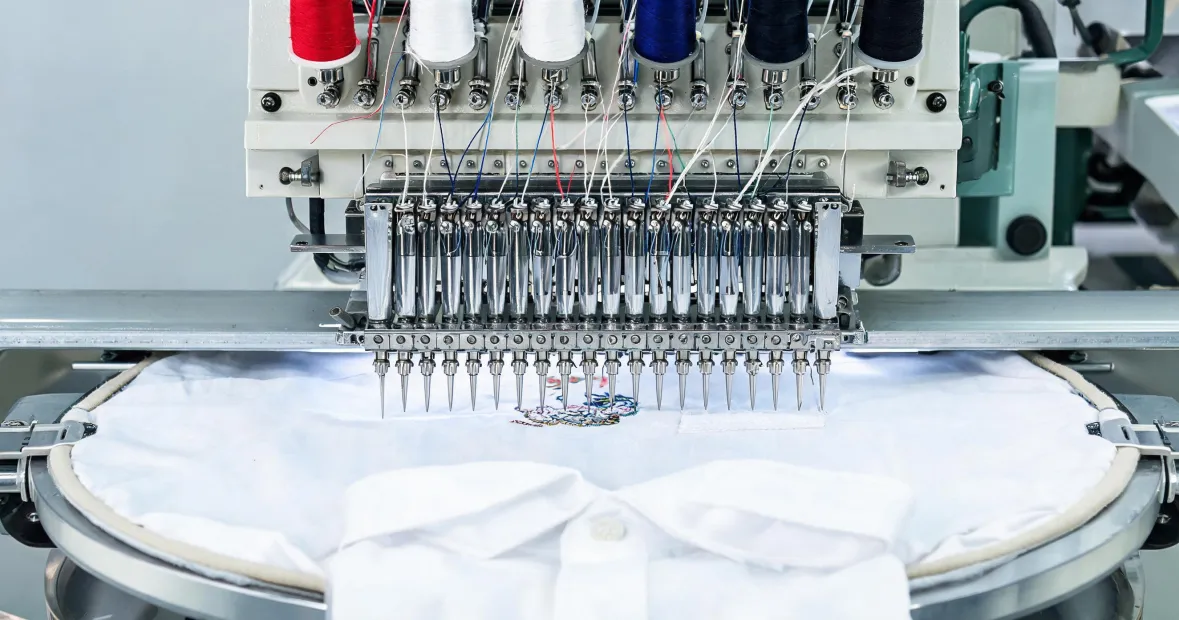
A 4-head Tajima has four sewing heads working from one frame and one control system. You can sew up to four identical garments at a time, which boosts production without adding operators. If your work is caps, polos, or small leather panels, a 4-head is often the sensible entry point. I say “often” because order mix matters. We went back and forth between a 4-head and a 6-head for two weeks; the 6-head output more per hour but required extra floor space, more air, and a larger electrical load. We chose the 4-head because it fit our current layout. In short, head count is a capacity decision, not just a price decision.
How much does a Tajima industrial embroidery machine cost in 2025?
Tajima doesn't publish list prices on its website (accessed January 2025); you have to get quotes from authorized dealers. In the quotes I reviewed over the past year, a new 4-head ran from about $42,000 to $68,000 depending on options, frame, software, and installation. That spread is huge because the “standard” machine can be configured very differently. I know that sounds vague—but the exact invoice number is less important than what it includes. When I compared two dealer quotes, the cheaper one didn't include freight, setup, or training. The other did (thankfully). That's when I stopped comparing price and started comparing total cost.
Is a Tajima the same as a HappyJapan embroidery machine or an industrial Singer sewing machine?
No—three different tools. Tajima and HAPPY (HappyJapan) both build commercial embroidery machines, and they compete head-to-head in the multi-head space. If you searched for “happyjapan embroidery machine,” you’re looking at a different brand, not a Tajima model. If you searched for “industrial Singer sewing machine for sale,” you’re looking at a sewing machine, not an embroidery machine. A Singer industrial sews seams; it won’t run a multi-color logo or digitized cap design. We chose Tajima after local support coverage and after a side-by-side trial with a HAPPY unit. I’m not saying it’s “better”—it was better for our situation.
What hidden costs do people miss when budgeting for a multi-head embroidery machine?
Plenty. My TCO checklist includes: machine price, freight/rigging, electrical and compressed air, installation and training, digitizing software, needles/thread/hoops, spare parts, a cooling system for high-speed production, and service contracts. The surprise wasn't the sticker price; it was how much a preventive-maintenance plan saved in emergency calls. We had a budget-friendly machine option that became the most expensive once I added four unplanned service visits and a weekend of lost production. Don't just ask “what's the price”—ask what happens when this breaks and who's on site within 24 hours.
Should I buy a new Tajima or a used one?
A used Tajima can make sense if you verify stitch counts, service history, and all heads in a live demo. I went back and forth between new and used for a while. The upside of used was a 40% lower upfront number; the risk was inheriting alignment or hook timing issues. For our first machine, we bought new because training and dealer support were critical. For the second machine, we bought used and saved real money. If you go used, ask for maintenance logs and test every head on black-and-white contrast patterns. And remember: a used machine often excludes software and installation, so run the TCO before you assume it's cheaper.
How do I avoid miscommunication with a dealer about machine specs?
I nearly ordered a 4-head with the wrong hoop size because both sides said “standard.” We meant our standard garment panel; the dealer meant the standard frame in that configuration. The mismatch came to light after delivery, and it cost time and freight to fix. Now I write every spec down: maximum garment size, cap ability, voltage, air pressure, and file formats. Then I ask the dealer to confirm the final configuration in writing before the order is placed. Yes, it feels formal—but it beats paying to return a 1,200-pound machine.
Do I need Pulse software and a cooling system from day one?
Pulse software is how you manage designs, machine settings, and production schedules; most shops use it or a compatible workflow. If you buy used, verify whether software is included in the price. A cooling system depends on your environment: a 4-head running moderate batch work in a cool room may not need an external chiller immediately, but high-speed production in a warm shop does. I should add that our planned-maintenance contract included a temperature check, and it caught a failing fan before it took out the control board. If your search history includes “embroidery machine big,” remember that multi-head machines generate heat—plan for ventilation.

Leave a reply