The Day I Thought I Was Smart
It was June 2023. I had just landed a contract to produce embroidered patches for a local sports league – 2,500 pieces, decent margin. The only problem: I didn't own a commercial embroidery machine yet. My home-grade Singer couldn't handle the volume, and I needed something that could run 8 hours straight without overheating.
I started shopping. And like anyone with a startup budget, my eyes went straight to the cheapest numbers. A Vevor embroidery machine popped up – 6 needles, 12-color capacity, under $3,000. The listing photos looked professional. The specs said it could handle hats, flat goods, even small chenille. I thought: “This is it. Why pay $15,000+ for a Tajima when this does the same thing?”
If I remember correctly, I spent about three hours reading reviews. Most were 4 stars – people seemed happy for the price. A few mentioned tension issues, but I figured those were user errors. I hit “Buy Now” and felt proud of my frugality.
That was mistake #1.
The First Sign of Trouble
The machine arrived in a week. Unboxing was fine. Setup instructions? Barely readable. I spent a full Saturday putting it together – basically assembling a metal frame with arms that kinda wobbled. I assumed that was normal for a budget machine. Assumption #2.
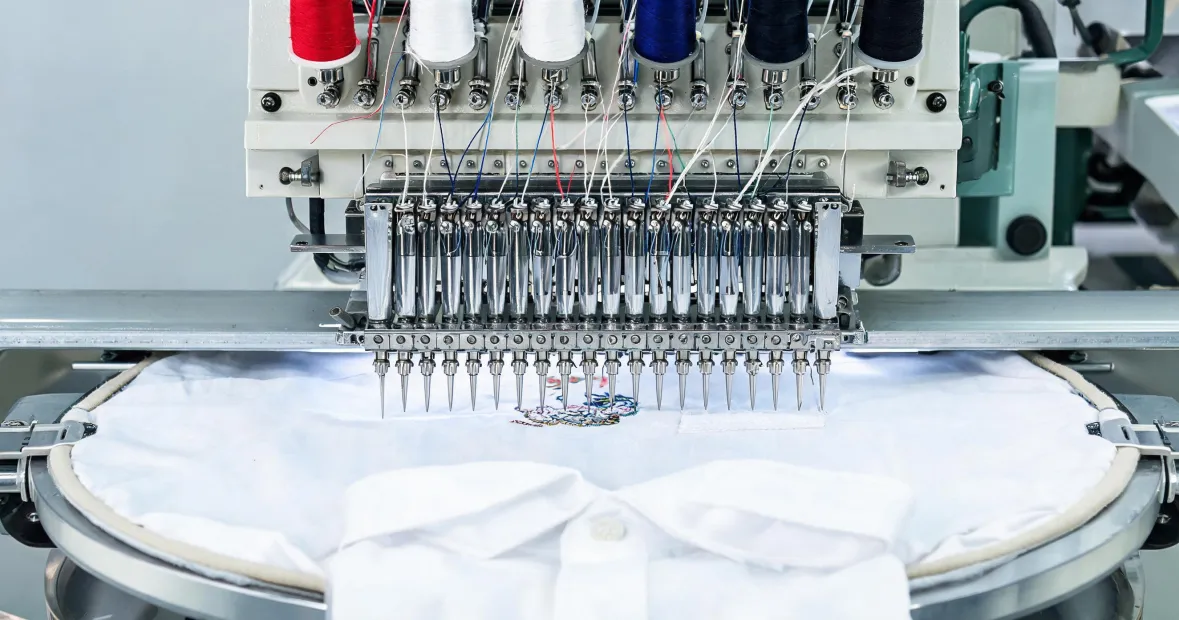
I ran my first test: a simple logo on a cotton cap. The first pass looked okay, but by the third pass, thread broke. I rethreaded. Same thing. Adjusted tension. Still broke. I repeated this cycle maybe 15 times over the next two hours. Finally got a decent stitch on cap #4. Took a photo – embroidery machine pic – and sent it to my client for approval. They said it looked fine.
But the clock was ticking. Production was supposed to start Monday. It was already Sunday evening. I decided to push through, thinking the tension issue would settle after break-in.
The $3,200 Disaster
Monday morning, I loaded 200 caps and hit start. By noon, I had 50 completed. About 10 of them had loose stitches, but I figured I'd fix them later. The machine was running hot – literally. The cooling system was a tiny fan that sounded like a dying mosquito. Around 2 PM, a loud clunk. The machine stopped. Error code E-04 (whatever that meant).
I called their support. A guy named “Mike” answered after 30 minutes on hold. He told me to reset the motherboard. I did. It ran for another 45 minutes, then died again. This dance repeated until 6 PM. I had maybe 120 caps done, and half of them had skipped stitches. I couldn't deliver those.
I said “I need a rush fix” to the Vevor rep. He heard “I'll wait for a replacement part”. Communication failure. The part took 3 weeks to arrive. Meanwhile, I had to hire a local shop to re-run the order on their Tajima machines. That cost me $1,800 in rush fees plus the $1,200 I'd already wasted on materials and the machine itself. Plus the embarrassment of telling my client I'd screwed up. I lost the contract for future work.
“It's basically a trade-off between speed and cost. But in this case, the cheap option cost me way more than the expensive one would have.”
Why I Finally Bought a Tajima
After that disaster, I had to buy a real machine. I called a Tajima dealer – a guy named Dave who'd been in embroidery for 20 years. He didn't try to upsell me. He asked about my production volume, my fabrics, my space. I told him about the Vevor nightmare. He just nodded and said, “You're not the first.”
He recommended a Tajima TFTX series – 6-needle, flatbed, with an active cooling system and a 5-year warranty. Price: about $14,500. My stomach turned, but I remembered the $3,200 lesson. I financed it and took delivery in August 2023.
The difference was night and day. Out of the box, it stitched perfectly. The frame was rock-solid. The software (Tajima Pulse) let me adjust tension digitally. I ran 500 hats in one day – zero adjustments, zero breaks. The machine barely got warm. And when I had a question, Dave answered his phone on the first ring.
Honestly, I kept second-guessing the decision even after signing. “Could I have gotten a better deal?” I asked myself every night for two weeks. But after the first production run finished clean, I knew it was the right call.
What I Learned (And What You Should Know)
1. Total cost of ownership matters more than the sticker price.
- My Vevor “savings” of $11,500 evaporated when I added:
- Rush shop fees: $1,800
- Wasted materials and labor: $1,200
- Lost future revenue: way more
- Even if the machine had worked, I'd have spent hours per week fighting tension issues – time I could have billed.
2. Support and training are not optional.
Tajima offers comprehensive safety training and videos – not just “unbox and pray.” The dealer helped me set up everything. That's value you can't see on a spec sheet.
3. Don't assume “same specs” means same performance.
The Vevor claimed 1,200 stitches per minute. The Tajima also claims 1,200. But the Tajima actually delivers that consistently, with fewer breaks, less noise, and better stitch quality. One is a laboratory number; the other is a real-world number.
If you're shopping for a commercial embroidery machine – whether you need a best leather sewing machine for thick leather or a dedicated hat machine – I'd say borrow my experience. Start with a reputable brand. Check reviews from actual production shops, not just home hobbyists. Or, if you really want to go cheap, be ready for the hidden cost.
I still have the Vevor unit in my garage. Every time I walk past it, I remind myself: “That $200 savings turned into a $1,500 problem.” It was a painful lesson, but at least I don't have to learn it twice.
As of January 2025, the Tajima TFTX series starts around $13,000–$16,000 depending on configuration. Verify current pricing at your local dealer. Prices may have changed.

Leave a reply