The order that started it
In February 2024, I was sitting in our production office with a purchase requisition in one hand and a client timeline in the other. I am the office administrator for a 65-person apparel decoration company. I manage equipment and supply ordering—roughly $180,000 annually across 12 vendors. I report to operations and finance.
We had a corporate apparel client that needed 600 embroidered jackets in six weeks. Our old single-head machine could do it, technically. But not without overtime, missed shipments, and a lot of apology emails. Operations asked me to source a commercial embroidery machine. I thought it would be like buying a copier. Compare specs, get three quotes, pick the middle one. Wrong.
We looked at a Tajima multi-head, a Vango embroidery machine, and one other option. The Vango embroidery machine quote was lower. The Tajima quote was higher but included local training and a technician who could come onsite. I have mixed feelings about paying more for a brand name. On one hand, the Vango quote would have saved us roughly 20% upfront. On the other, we had a six-week deadline and no experienced operator for a new machine. I chose the Tajima. Not because Vango is bad. Because I needed certainty.
The manual problem
The machine arrived on a Tuesday. The crate had the Tajima, a box of accessories, and a quick-start sheet. No printed manual. The dealer said they would email the PDF. They missed it. Again.
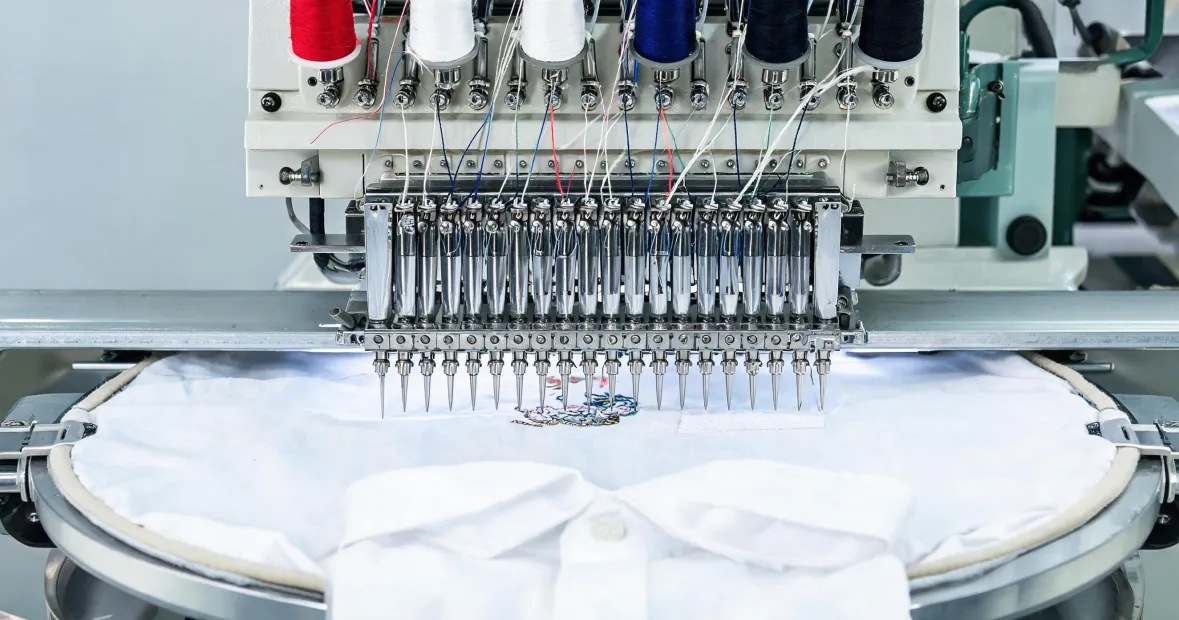
My operator and I spent two hours trying to thread the machine from a YouTube video. We broke two needles. (Thankfully, no one got hurt.) That is when I learned the most important purchase lesson of 2024: download the Tajima embroidery machine manual before the machine lands. According to Tajima's official documentation (tajima.com), procedures are machine-specific. Do not assume a manual for one model covers another. Verify your model and serial number first.
We eventually found the correct Tajima embroidery machine manual online. It had the threading path, tension settings, maintenance schedule, and error codes. It was not exciting reading. It was the difference between a machine and a very expensive sculpture.
The most frustrating part of equipment purchasing: the same issue recurring—everyone assumes the operator already knows the machine. You would think a major purchase would include a printed manual and a setup checklist. It does not always. So I made one. I printed the first 20 pages of the Tajima embroidery machine manual and put them in a binder next to the machine. Not elegant. Effective.
Testing fabric, heat, and a cooling system
Our first job was the 600 jackets. The client wanted a dense logo on the left chest and a smaller mark on the sleeve. We tested three fabrics: a performance polyester, a cotton twill, and a stretch knit. The question of the best fabric for embroidery machine work is not one answer. It is a system: fabric, stabilizer, needle, thread, design density, and speed. The best fabric for embroidery machine production in our shop turned out to be a midweight cotton twill with cutaway stabilizer. It held stitches cleanly and tolerated the dense logo. The performance polyester needed slower speeds and more attention. The stretch knit needed more stabilization and still puckered if we pushed it.
We also learned about heat. After 40 minutes of high-speed runs, the needle area got warm. Thread breaks increased. The dealer recommended a Tajima Seiryo jacket cooling system. I was skeptical. It sounded like an upsell. I asked if we could just slow down. We could. But slowing down meant adding two days to the schedule. We did not have two days.
We paid $400 extra for expedited shipping and install of the Tajima Seiryo jacket cooling system. (Which, honestly, felt excessive.) But the alternative was missing a $15,000 event. The cooling system was not magic. It did not eliminate every thread break. It did make dense runs more stable. On the polyester jackets, it bought us speed without constant stops. That was the whole point.
I have mixed feelings about rush fees. On one hand, they feel like a tax. On the other, I have seen what a missed deadline does to a client relationship. The rush fee was 2.7% of the event value. Missing it would have cost far more.
The digitizing problem
We had the machine, the manual, and the cooling system. Then we hit the next wall: the artwork. The client sent a JPEG. We thought the digitizing embroidery machine software would convert it. It did—badly. The first file had too many stitches, a messy underlay, and a stitch count that made the machine run hot. The logo looked heavy and the fabric puckered.
That is when I understood that a digitizing embroidery machine is only as good as the digitizer. The software executes. The person decides stitch order, density, pull compensation, and underlay. We hired an experienced digitizer for $75. Best money we spent on that project. The file ran cleaner, faster, and with fewer trims. If you are new to commercial embroidery, budget for digitizing. Do not assume the machine does it for you.
The deadline run
We ran 16-hour days for nine days. We followed the Tajima embroidery machine manual for daily maintenance: clean the rotary hook, check tension, oil where specified, and inspect the needle plate. We used the Tajima Seiryo jacket cooling system on the long runs. We kept a test jacket on the table to check registration every few hours.
We shipped 593 out of 600. Seven were rejects—puckering, thread breaks, or a logo that was slightly off-center. Not perfect. But the client received the jackets two days before their event. They noticed the seven missing units. We overnighted replacements from a local partner. It cost us $280. Still cheaper than the penalty for missing the event.
Finance asked why we paid $400 for expedited shipping on a cooling system. I showed them the event contract and the timeline. The $400 was not for speed. It was for certainty. That is the lesson I keep relearning.
What I would do differently
It took me two years and about 60 equipment and supply orders to understand that vendor support matters more than the lowest quote. In 2024, that lesson cost us a $400 rush fee and a $75 digitizing bill. I would pay it again.
If I were buying another Tajima embroidery machine tomorrow, I would do five things differently:
- Download the Tajima embroidery machine manual before delivery. Verify the model number. Print the maintenance pages.
- Ask for a written installation and training schedule. Get names and dates. Do not accept probably.
- Test the best fabric for embroidery machine work with your actual design, not a generic sample. Build a stitch-out log.
- Budget for a digitizing embroidery machine file from a professional digitizer. The machine is not the digitizer.
- Decide whether you are buying a machine or buying certainty. If you have a deadline, that answer changes the quote.
We still have the Vango embroidery machine quote in our files. It was lower. I am not saying it was the wrong choice for another shop. For us, the Tajima dealer answered the phone on a Friday when we had a thread error and 200 jackets left. That certainty was worth the premium.
This was accurate as of early 2025. Machine models, manuals, software, and pricing change. Verify current part numbers and availability with your dealer. Per FTC guidelines (ftc.gov), this is my own experience—not a guarantee of results for every shop. Your fabric, design, and operator skill will change the outcome.

Leave a reply