6:40 PM, Wednesday: The Call
In March 2024, my phone rang at 6:40 PM on a Wednesday. A client needed 400 embroidered performance caps and 150 left-chest polos for a trade show that opened Friday at 9 AM. Normal turnaround in our shop is 10 business days. We had 38 hours.
They had already been searching brother embroidery machine with largest hoop because they had a single-head Brother in their office. They asked if they should just run it themselves overnight. I told them no—not because Brother is bad. Because 400 caps on a single head isn't a hoop-size problem. It's a throughput problem.
Triage: Time, Feasibility, Risk
When I'm triaging a rush order, I look at three things: hours left, whether the work can physically run in that window, and what happens if we fail. The client's deadline wasn't flexible. Missing it meant losing their booth placement and an $18,000 pre-show order. So failure wasn't an option.
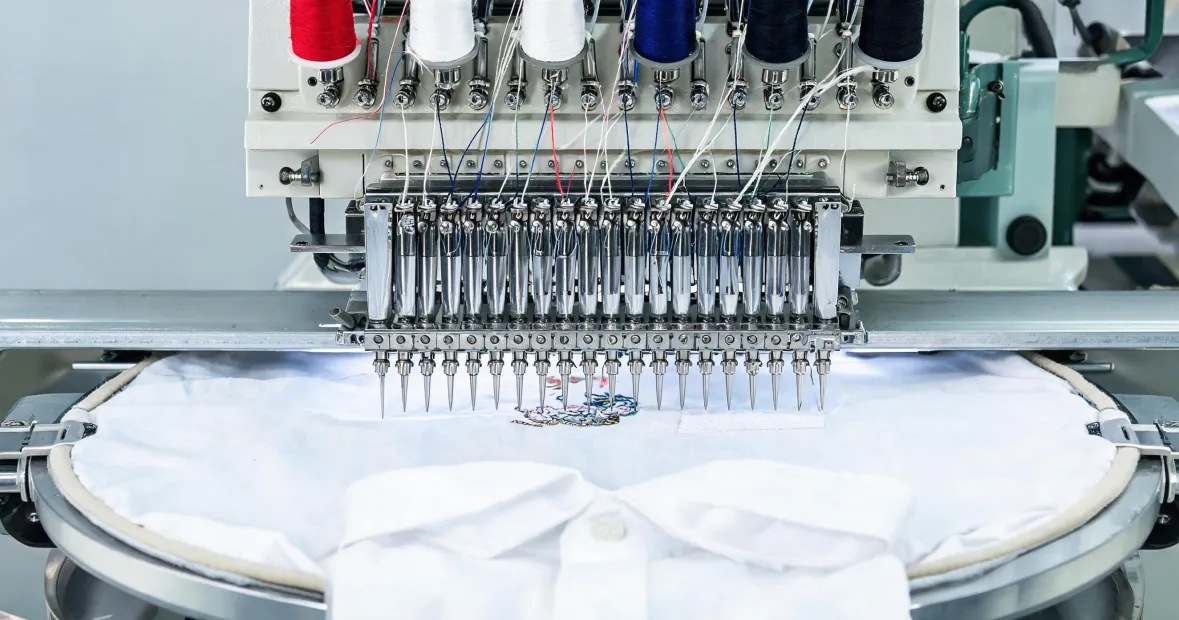
We had two Tajima multi-heads in the shop: a 6-head and a 4-head. Our 6-head is the workhorse. With the right backing, cap frames, and a digitized file we'd used before, we estimated 11-13 hours of machine time. Tight, but doable. We've handled 47 rush orders in the last year with 95% on-time delivery. This one felt like a 70% job.
Why the Tajima TMEX Price Question Came Up
Around 9 PM, the client called back. They'd found a used Tajima TMEX online and wanted to know if buying it would solve future emergencies. They also asked the question I hear every month: how much is a Tajima embroidery machine?
I'm not a Tajima dealer, so I can't quote exact new-machine pricing. What I can tell you is what we saw in January 2025 dealer listings and auction results. A used single-head Tajima can land anywhere from $8,000 to $18,000 depending on hours and condition. A used multi-head Tajima TMEX often sits in the $20,000 to $55,000 range. Newer multi-head machines with more heads, newer software, and remaining warranty can run $45,000 to $90,000+. If you're Googling tajima tmez embroidery machine price, treat those numbers as starting points, not quotes. Verify current pricing with a dealer.
But the purchase price isn't the real answer. The real answer is throughput, parts, service, and operator training. A $25,000 used TMEX that sits for three weeks waiting on a rotary hook isn't cheaper than a $60,000 new machine with dealer support. In an emergency, downtime is the most expensive spec on the sheet.
11:20 PM: The 6-Head Stops
At 11:20 PM, our 6-head threw a thread-break sensor error. Then the rotary hook timing slipped. We lost 90 minutes before we admitted it wasn't a quick fix. The part we needed was in a cabinet at our service tech's shop, and he wasn't opening until 7 AM.
This is the part of rush work nobody posts about. The plan was working. Then it wasn't. We had two choices: push the 4-head harder and risk another failure, or call a partner shop.
We called a local partner who runs a radiance embroidery machine and a newer Tajima. The Radiance could handle the flat polos, but the cap changeover and backing setup would've eaten too much time. Their Tajima could run caps. We paid $1,200 in rush fees, plus $300 for a courier, and moved 250 caps to their floor at 12:45 AM.
The Modern Embroidery Machine Trap
Every year, a client asks whether they should buy a modern embroidery machine to avoid emergencies. Sometimes the answer is yes. If you're doing 20-50 pieces a day and you have an operator who can maintain it, a modern single-head can be a great fit.
But emergency work doesn't reward the newest spec sheet. It rewards the machine you know, the spare parts you stock, and the operator who can rethread a cap driver in the dark. Our 4-head Tajima is not the newest machine on the market. It's the one our team can diagnose in minutes. That matters more at 1 AM than a 10% speed increase.
When I compared our standard 10-day workflow to the 38-hour emergency run, I finally understood why prep speed matters more than machine speed. The machine did maybe 40% of the work. The other 60% was digitizing, staging, checklists, and communication.
Friday, 7:40 AM: Delivered
We delivered at 7:40 AM Friday. 400 caps. 150 polos. One cap had a minor thread run that we caught in QC and replaced. The client made their show. Their booth was set up by 8:30 AM.
Total extra cost to us: about $1,680 in rush fees, courier, and overnight backing. The client paid a rush premium that covered it, and we kept the account. If we'd missed the deadline, they would've lost the booth placement and likely the $18,000 order. We paid $1,680 to protect a $12,000 project and a multi-year relationship. That's a trade I'd make every time.
What I'd Tell Anyone Asking About Tajima Prices or Hoop Size
Here's the thing: if you're searching how much is a Tajima embroidery machine, start with the job, not the price tag. Write down your monthly volume, your largest single order, your cap-to-flat ratio, and who will maintain the machine. Then call a dealer.
If you're searching brother embroidery machine with largest hoop, ask yourself what you're actually trying to run. A larger hoop helps on flat goods like jacket backs and quilt blocks. It does not turn a single-head into a multi-head production line. The math is the math.
And if you're looking at a radiance embroidery machine or any other modern embroidery machine, test the changeover time, not just the max speed. Ask about cap frames, backing, thread trim, and service response time. The best machine for an emergency is the one that keeps running when the deadline is close.
The Lesson
In my first year, I made the classic rush-order mistake: I assumed paying more was the same as planning better. Cost me a $600 redo on a job I shouldn't have accepted. Now we run a 48-hour buffer policy on any order over 200 pieces. Not because we're slow. Because machines fail, and deadlines don't move.
Tajima makes a wide range of commercial embroidery machines for a reason: one size doesn't fit every shop. The right machine depends on your volume, your operators, and your tolerance for risk. Price matters. Training matters more. Throughput matters most when the clock is running.
This pricing and lead-time info was accurate as of January 2025. The embroidery machine market changes fast, so verify current prices, specs, and dealer support before you buy.

Leave a reply